Get Speed Bump Installation in Denver, CO
Speed bump installation services help Denver area property owners improve traffic safety, reduce speeding, and manage vehicle flow through projects on parking lots, private roads, and driveways.
Speed bump installation can be an effective solution for property owners in Denver, CO who are looking to improve safety, control traffic flow, or protect pedestrian areas. Properly installed speed bumps help to slow vehicles in designated zones, making neighborhoods, parking lots, and commercial properties safer for residents, employees, and visitors alike. Exploring local contractors with experience in this work ensures that the installation meets area-specific requirements and standards, providing peace of mind for those planning traffic-calming projects.
For property owners considering speed bumps, comparing options among local service providers is a practical step toward finding a solution that aligns with specific site needs. Experienced contractors can assist in planning and executing the project efficiently, ensuring that the installation is durable and effective. Continuing to explore available local options can help in making informed decisions about enhancing safety and traffic management on any property in the Denver area.
- Speed Bump Installation - when traffic calming measures are needed to slow down vehicles in busy residential neighborhoods.
- Speed Bump Repair - if existing speed bumps are damaged or worn, impacting their effectiveness in traffic management.
- Speed Bump Removal - when new parking regulations or street redesigns require the removal of existing traffic calming devices.
- Speed Bump Replacement - to upgrade outdated or ineffective speed bumps in areas with increased pedestrian activity.
- Speed Hump Installation - for projects aiming to improve safety on streets with frequent speeding issues in neighborhoods like Denver's Highlands or Capitol Hill.
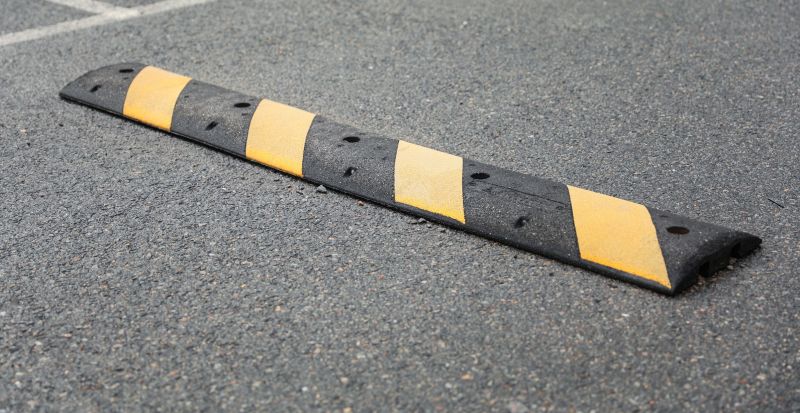
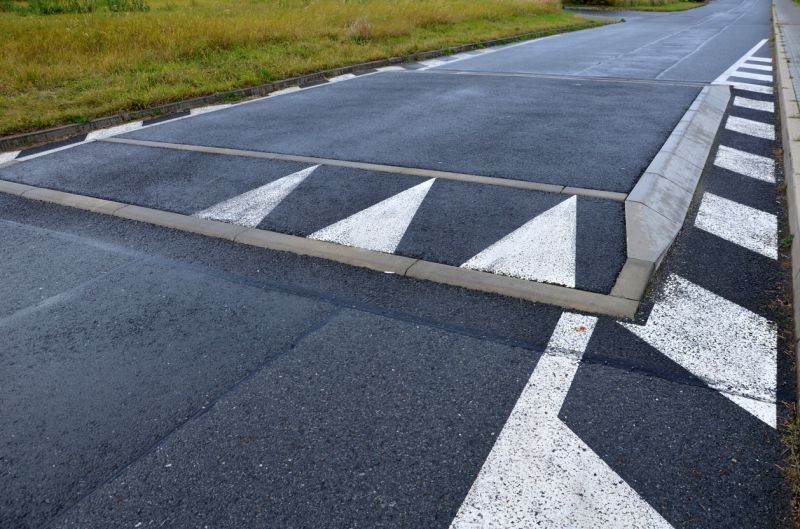
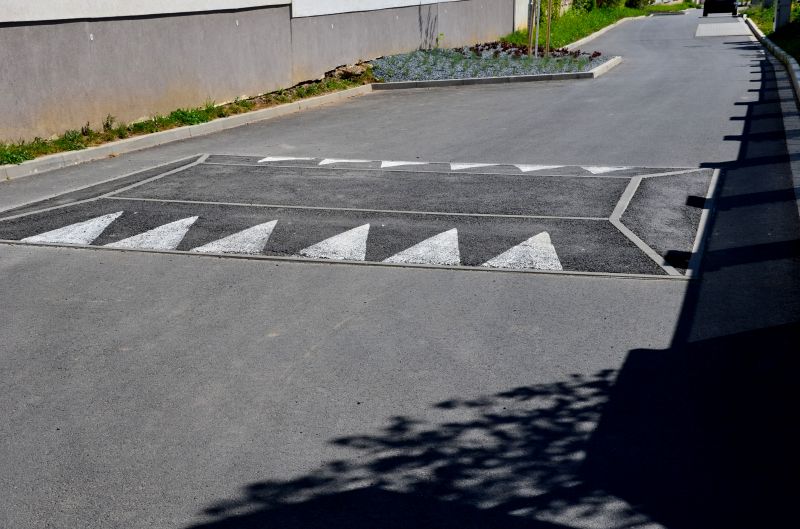
Speed bump installation services involve adding raised barriers across driveways or parking areas to control vehicle speed. These installations are typically made from durable materials such as rubber, asphalt, or concrete, and are designed to be effective in slowing down traffic while remaining safe for both vehicles and pedestrians. The process usually includes assessing the property’s layout, measuring the appropriate placement, and securely installing the bump to ensure longevity and effectiveness. Skilled service providers can customize the size and height of speed bumps to suit specific property needs, helping to create a safer environment for residents, visitors, and pedestrians.
Implementing speed bumps can address a variety of common problems related to vehicle speed and safety. They are especially useful in residential neighborhoods, school zones, parking lots, and community centers where excessive vehicle speed can pose risks to pedestrians and children. Speed bumps help reduce reckless driving, discourage cut-through traffic, and promote a calmer, more controlled traffic flow. By installing these barriers, property owners can improve safety, minimize the likelihood of accidents, and ensure that vehicles move at safer speeds in areas with high foot traffic or limited visibility.
Speed bump installation is often sought by homeowners, property managers, and business owners who want to enhance safety on their premises. Residential properties with busy streets or shared driveways frequently use speed bumps to protect children and pedestrians. Commercial properties, such as shopping centers, apartment complexes, and office parks, also utilize speed bumps to manage traffic and prevent speeding vehicles from disrupting the safety and comfort of visitors and residents. These installations are especially common in areas where controlling vehicle speed is critical to maintaining a secure environment and ensuring compliance with local safety standards.
Local contractors that specialize in speed bump installation can provide tailored solutions for a variety of property types across Denver, CO, and nearby areas. They evaluate the specific needs of each property, considering factors like traffic volume, vehicle types, and pedestrian activity, to recommend the most effective installation approach. Whether for a residential driveway, a school zone, or a commercial parking lot, these service providers can handle the entire process from assessment to installation. Contacting experienced local pros ensures that speed bumps are installed correctly and effectively, helping property owners create safer, more controlled environments for everyone.
The overview below groups typical Speed Bump Installation projects into broad ranges so you can see how smaller, mid-sized, and larger jobs often compare in Denver, CO.
In many markets, a large share of routine jobs stays in the lower and middle ranges, while only a smaller percentage of projects moves into the highest bands when the work is more complex or site conditions are harder than average.
Smaller Repairs - For minor speed bump repairs or adjustments, local contractors typically charge between $250 and $600. Many routine jobs fall within this range, especially for standard installations or minor fixes.
Standard Installation - A typical speed bump installation in Denver can cost between $600 and $1,200, depending on the size and materials used. Most projects in this category are straightforward and fall into this middle price band.
Full Replacement - Replacing an existing speed bump or installing a custom design can range from $1,200 to $3,000. Larger, more complex projects or premium materials may push costs higher, but these are less common.
Complex or Large-Scale Projects - For extensive traffic calming systems or multiple speed bumps, costs can reach $5,000 or more. These projects are typically tailored to specific site needs and involve significant planning and labor.
Actual totals will depend on details like access to the work area, the scope of the project, and the materials selected, so use these as general starting points rather than exact figures.
Pavement Marking Projects - Local contractors skilled in pavement marking can apply durable markings similar to speed bump installation, requiring precise planning and surface preparation.
Parking Lot Resurfacing - Resurfacing parking lots involves surface assessment and preparation, skills that align with installing speed bumps to ensure proper integration.
Traffic Sign Installation - Installing traffic signs demands understanding of traffic flow and safety considerations, paralleling the planning needed for speed bump placement.
Curb and Sidewalk Construction - Building curbs and sidewalks involves surface work and planning, which are relevant to the groundwork for speed bump installation.
Roadway Paving - Paving projects require surface preparation and layering techniques similar to those used in speed bump installation to ensure durability and effectiveness.
Drainage System Installation - Implementing drainage systems involves site assessment and planning, skills that support the proper placement of speed bumps in traffic areas.
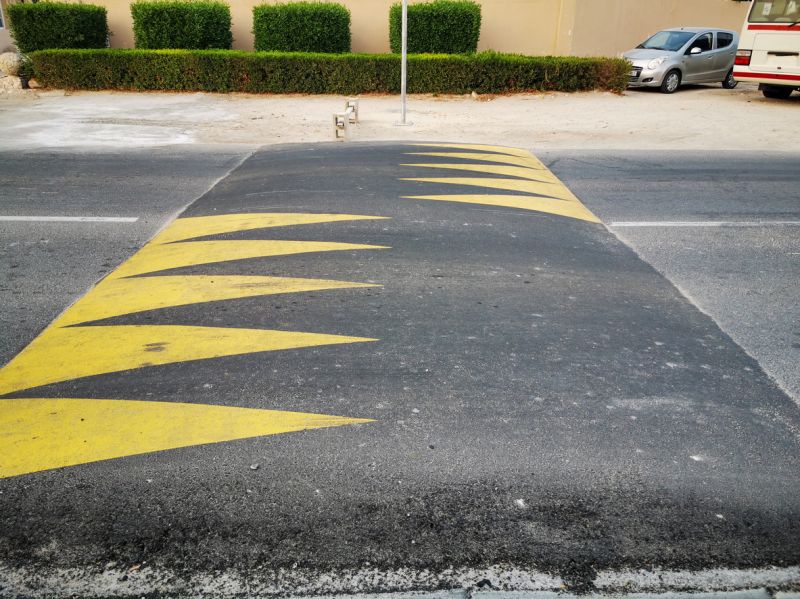
When comparing service providers for speed bump installation, it’s important to consider their experience with similar projects. Homeowners should look for local contractors who have a history of successfully completing speed bump installations in neighborhoods comparable to theirs. This familiarity can indicate a contractor’s understanding of the specific requirements and challenges associated with such projects, helping ensure a smoother process and a result that meets expectations.
Clear written expectations are essential when evaluating potential contractors. Homeowners should seek service providers who can provide detailed descriptions of their scope of work, materials, and any relevant procedures in writing. Having this information upfront helps prevent misunderstandings and ensures that both parties are aligned on the project’s goals. Transparent communication about what is included and what is not can contribute to a more efficient and satisfactory experience.
Reputable references and effective communication are also key factors to consider. Local contractors with positive references from previous clients demonstrate a track record of reliable service. Additionally, good communication skills-such as responsiveness, clarity, and willingness to answer questions-can make the process more straightforward. It’s important to select service providers who are approachable and transparent, as this can lead to a more collaborative and stress-free project. Keep in mind that the site connects homeowners with local options, but the actual work is performed by qualified service providers in the area.
Property owners in Denver, CO use Speed Bump Installation services for practical projects around their homes and businesses. This guide focuses on everyday jobs and straightforward project options.
Speed bump installation is a common solution for property owners in Denver, CO who want to improve safety and control vehicle traffic on residential streets, parking lots, or private driveways. Local contractors often handle these projects to help prevent speeding, protect pedestrians, and ensure compliance with neighborhood or community regulations. Whether a business needs to manage delivery vehicle flow or a homeowner wants to reduce cut-through traffic in a quiet neighborhood, experienced service providers can assist with the proper placement and installation of speed bumps.
In many cases, property owners seek speed bump services when they notice persistent speeding issues or want to create a calmer environment for pedestrians and residents. Local contractors can evaluate the specific needs of a location, recommend suitable types of speed bumps, and handle the installation process efficiently. This work is often part of broader traffic calming efforts or parking lot improvements, making it a practical choice for those looking to enhance safety and accessibility on their property.
What is the purpose of speed bumps on roads? Speed bumps are installed to help reduce vehicle speeds and improve safety in areas like residential neighborhoods, parking lots, and school zones.
What types of speed bumps do local contractors install? Contractors offer various options such as rubber, asphalt, or plastic speed bumps, depending on the specific needs and location.
Are speed bump installations suitable for all types of roads? Speed bump installation is typically suitable for low-traffic areas where controlling vehicle speed is a priority, but a professional can assess the best solution for each situation.
How do local service providers ensure speed bump durability? Contractors use high-quality materials and proper installation techniques to ensure speed bumps withstand weather conditions and regular vehicle traffic.
Can speed bumps be removed or relocated later? Yes, many types of speed bumps can be removed or repositioned by professionals if needed, making them a flexible traffic calming option.
Speed Bump Installation for Traffic Control - Property owners can improve safety by installing speed bumps in parking lots or driveways to slow down vehicles.
Custom Speed Bumps for Parking Lots - Local contractors can help set up speed bumps that suit the specific layout and traffic flow of commercial or residential properties.
Temporary Speed Bumps for Events - Event organizers can use portable speed bumps to manage vehicle speed during special gatherings or construction projects.
Speed Bump Maintenance and Repairs - Maintaining existing speed bumps ensures they remain effective and safe for daily use around residential streets or business premises.
If you are thinking about Speed Bump Installation for a property in Denver, CO, this guide is meant to help you understand the work, the typical project types, and how different options might fit your plans.
When you are ready, you can use the quote form on this page to share a few details about your project. From there, local pros can review the basics and respond with options that match what you have in mind.